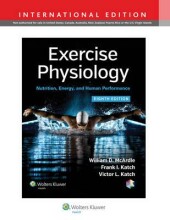
Samenvatting: Exercise Physiology : Energy, Nutrition, And Human Performance | 9781608318599 | William D McArdle, et al
- Deze + 400k samenvattingen
- Een unieke studie- en oefentool
- Nooit meer iets twee keer studeren
- Haal de cijfers waar je op hoopt
- 100% zeker alles onthouden
Lees hier de samenvatting en de meest belangrijke oefenvragen van Exercise physiology : energy, nutrition, and human performance | 9781608318599 | William D. McArdle, Frank I. Katch, Victor L. Katch.
-
1 Carbohydrates, Lipids and Proteins
Dit is een preview. Er zijn 9 andere flashcards beschikbaar voor hoofdstuk 1
Laat hier meer flashcards zien -
1.1 Carbohydrates
Dit is een preview. Er zijn 52 andere flashcards beschikbaar voor hoofdstuk 1.1
Laat hier meer flashcards zien -
Wat is de standaard formule van een koolhydraat?
(CH2O)n
-
Hoeveel monosachariden kan een oligosacharide bevatten?
2 - 10
-
Welke drie paden kan glucose volgen nadat het is opgenomen in de darmen?
- Het wordt een energiebron voor cellulair metabolisme
- Het wordt als glycogeen opgeslagen in de lever en spieren
- Het wordt omgezet naar vet = triacylglycerol
- Het wordt een energiebron voor cellulair metabolisme
-
Wat zijn monosachariden? Geef 3 voorbeelden, en noem een proces dat plaatsvindt met monosachariden.
Basis eenheid van een koolhydraat, een suiker molecuul.
Bijv glucose, fructose, galactose
Gluconeogenese vindt plaats met monosachariden. -
Wat zijn polysachariden? Noem twee plantaardige voorbeelden, en een dierlijk voorbeeld.
Complexer koolhydraatmolecuul.
Plantaardig:
- Zetmeel
- Vezels
Dierlijk:
- Glycogeen -
Wat is de aanbevolen hoeveelheid koolhydraten voor sedentaire personen en sporters? (uitgedrukt in procenten)
Sedentaire personen: 40-50%
Sporters: 60-70% -
Wat is je koolhydraatverbruik tijdens lage, middelmatige en hoge inspanning?
Lage inspanning: voornamelijk vetten
Middelmatige inspanning: vetten & koolhydraten
Hoge inspanning: voornamelijk koolhydraten -
Hoe veranderen de glycogeenvoorraden in je spieren tijdens koolhydraatstapelen? En wat is de procentuele prestatieverbetering?
Van 100-120 mmol/kg naar 150-200 mmol/kg
Prestatieverbetering van 2-3% -
Wat is de hongerklop? En wanneer komt dat voor?
Eenhongerklop heb je wanneer je zoveel energie hebt verbruikt, dat je lever en spierglycogeenvoorraden leeg zijn. Op dat moment schakelt je lichaam volledig over naarvetverbranding . Maar bijvetverbranding komt er minder energie vrij als je dezelfde hoeveelheid zuurstof blijft opnemen. De vermoeidheid knalt in één keer erin, en het voelt als je tegen een muuraanloopt . Waarschijnlijk zendt je lichaam eenfors hongersignaal uit --> dehongerklop . -
1.1.1 Kinds and sources of carbohydrates
Dit is een preview. Er zijn 22 andere flashcards beschikbaar voor hoofdstuk 1.1.1
Laat hier meer flashcards zien -
Wat is voor de mens de voornamelijkste koolhydraatbron
planten
- Hogere cijfers + sneller leren
- Niets twee keer studeren
- 100% zeker alles onthouden


Voor mijn 1e tentamen haalde ik een 6. Toen ben ik gaan zoeken naar manieren om beter te leren en ben ik Study Smart tegen gekomen. Sindsdien heb ik een 9,0 - 8,0 - 7,6 - 8,0 - 8,0 gehaald. Ik raad het echt íédereen aan die het maar horen wil. Ik ben er zo blij mee!!

Met mijn oude methode was ik geslaagd voor maar 3 van de 8 vakken. Sinds ik mijn aantekeningen digitaal maak in study smart, ben ik voor alle vakken de éérste keer geslaagd. StudySmart neemt voor mij de stress van slagen of niet slagen weg.

Door StudySmart gaat het op zo veel vlakken beter met mij. Eerst had ik continu studiestress en ik had nergens tijd voor. Nu voel ik mij rustig en zelfverzekerd (door gebruik van het programma). Eerst haalde ik meestal een 7, nu vaak een 8 of zelfs een 9.

Hey Chris, ik wil je echt hartelijk danken voor het ontwikkelen van het platform. Ik haalde hiervoor altijd rond de 6/10 voor m'n tentamens, nu een 8,6, een 7,9 en een 7,6!!

Sinds ik Study Smart gebruik, is mijn gemiddelde 1 punt gestegen. Ik heb zelfs een statistisch vak met een 10/10 afgerond terwijl ik slecht ben in statistiek. Nu volg ik extra vakken omdat vorig jaar zo goed ging door Study Smart. Veel dank!

Sinds ik ben gaan leren met StudySmart ben ik geslaagd voor al mijn examens!!! Geen herexamens!! Eerst was ik al blij met een voldoende en nu haal ik alleen maar goede cijfers. Veel dank!

Ik heb alle vakken die ik met Study Smart heb geleerd gehaald. Met rechten ben ik van een 5 naar een 8 gegaan! Ik weet nu zeker dat ik al mijn vakken gewoon ga halen.

Ik dacht altijd dat ik goed studeerde. Mijn cijfers waren ook prima. Ik had mij nooit kunnen voorstellen dat ik zo veel beter en sneller zou studeren door het toepassen van deze vaardigheden.

Ik voel mij voor het eerst 100% zeker over de manier waarop ik leer. Ik heb nu het complete overzicht en de structuur die ik nodig had

Door Study Smart kreeg ik weer plezier in het studeren en haalde ik direct betere cijfers. Alles ging ineens beter. Ik raad Study Smart enorm aan aan scholieren en studenten.

Met dit plaform kan ik super snel en gestructueerd studeren. Ik ben nooit meer de weg kwijt in de stof of in mijn aantekeningen en maak veel sneller goede samenvattingen.

Eerst waren mijn aantekeningen een zooitje. Nu gebruik ik Study Smart en studeer ik super gestructureerd. Het helpt mij om tijd te besparen waardoor ik ook andere dingen kan doen die ik belangrijk vind.

Leerlingen die met het systeem hebben gewerkt hebben gewoon een beter resultaat behaald. Het systeem past alle leertrucjes zo toe, dat zowel de kinderen die goed scoren, maar ook zij die minder scoren, aan hun trekken komen.

Hey Chris, ik wil je enorm bedanken. Het vak waar ik vorig jaar nog net een 5,5 voor haalde, heb ik nu voor ditzelfde vak maar liefst een 9,7 gehaald! Mede dankzij jouw methode! Heel erg bedankt!

Het grootste effect is dat mijn kind veel enthousiaster is over school! Elke ouder wilt graag dat zijn kind het goed doet op school, en Study Smart draagt daar aan bij.

Dankzij StudySmart heb ik vorig jaar al mn examens gehaald en ook veel betere punten gehaald. Maar bovenal heb ik nu gewoon een heel goede studiemethode onder de knie, waarmee ik zeker weet dat ik de rest van mijn studie gewoon ga halen.
Onderwerpen gerelateerd aan Samenvatting: Exercise Physiology : Energy, Nutrition, And Human Performance
-
Carbohydrates, Lipids and Proteins - Carbohydrates - Kinds and sources of carbohydrates
-
Carbohydrates, Lipids and Proteins - Carbohydrates - Role of carbohydrates in the body
-
Carbohydrates, Lipids and Proteins - Carbohydrates - Carbohydrate dynamics in exercise
-
Carbohydrates, Lipids and Proteins - Lipids
-
Carbohydrates, Lipids and Proteins - Proteins
-
Vitamins, minerals and water - vitamins - Kinds of vitamins
-
Vitamins, minerals and water - vitamins - Role of vitamins
-
Vitamins, minerals and water - minerals - Role of minerals in the body
-
Vitamins, minerals and water - minerals - Calcium
-
Vitamins, minerals and water - minerals - The female athlete triad: Unexpected problem for women who train intensely
-
Vitamins, minerals and water - minerals - IJzer
-
Vitamins, minerals and water - water
-
Optimal nutrition for exercise
-
Energy value of food
-
Introduction to energie transfer - Energy the capacity for work
-
Introduction to energie transfer - Interconversions of energy
-
Introduction to energie transfer - Biological work in humans
-
Introduction to energie transfer - Enzymes and coenzymes alter the rate of energy release
-
Introduction to energie transfer - Hydrolysis and condensation: the basis for digestion and synthesis
-
Energy - Adenosine triphosphate: the energy currency
-
Energy - Phosphocreatine: the energy reservoir
-
Energy - Cellular oxidation
-
Energy - Energy release from carbohydrate
-
Energy - Energy release from fat
-
Energy - Energy release from protein
-
Energy transfer during exercise - Immediate energy: the ATP-PCr system
-
Energy transfer during exercise - Short-term energy: The lactic acid system
-
Energy transfer during exercise - Long-term energy: the aerobic system
-
Energy transfer during exercise - Energy spectrum of exercise
-
Measurement of human energy expenditure - Measuring the body's heat production
-
Human Energy Expenditure during rest and physical activity
-
Energy expenditure during walking, joggins,running and swimming
-
Individual differences and measurement of energy capacities
-
Pulmonary structure and function
-
Gas exchange and transport - Gas exchange in the lungs and tissues
-
Gas exchange and transport - Oxygen transport
-
The cardiovascular system - Cardiovascular system components - hart
-
The cardiovascular system - Blood pressure response to exercise
-
The cardiovascular system - The heart's blood supply
-
Cardiovascular regulation and integration - intrinsic regulation of heart rate
-
Cardiovascular regulation and integration - Extrinsic regulation of heart rate and circulation
-
Cardiovascular regulation and integration - Distribution of blood
-
Functional capacity of the cardiovascular system - Cardiac output
-
Functional capacity of the cardiovascular system - Cardiac output distribution
-
Functional capacity of the cardiovascular system - Cardiac output and oxygen transport
-
Skeletal muscle: structure and function - Gross structure of skeletal muscle
-
Skeletal muscle: structure and function - Skeleteal muscle ultrastructure
-
Skeletal muscle: structure and function - Muscle fiber alignment (werking van skeletspieren)
-
Skeletal muscle: structure and function - Muscle fiber type
-
The endocrine system:organization and acute and chronic responses to exercise
-
Training for Anaerobic and aerobic power
-
Muscular strength: training muscles to become stronger
-
Exercise at medium and high altitude
-
Exercise and thermal stress - Complications from excessive heat stress
-
Body composition assessment - Composition of the human body
-
Physical acitivity, health and aging
-
Clinical exercise physiology for cancer, cardiovasvular, and pulmonary rehabilitation